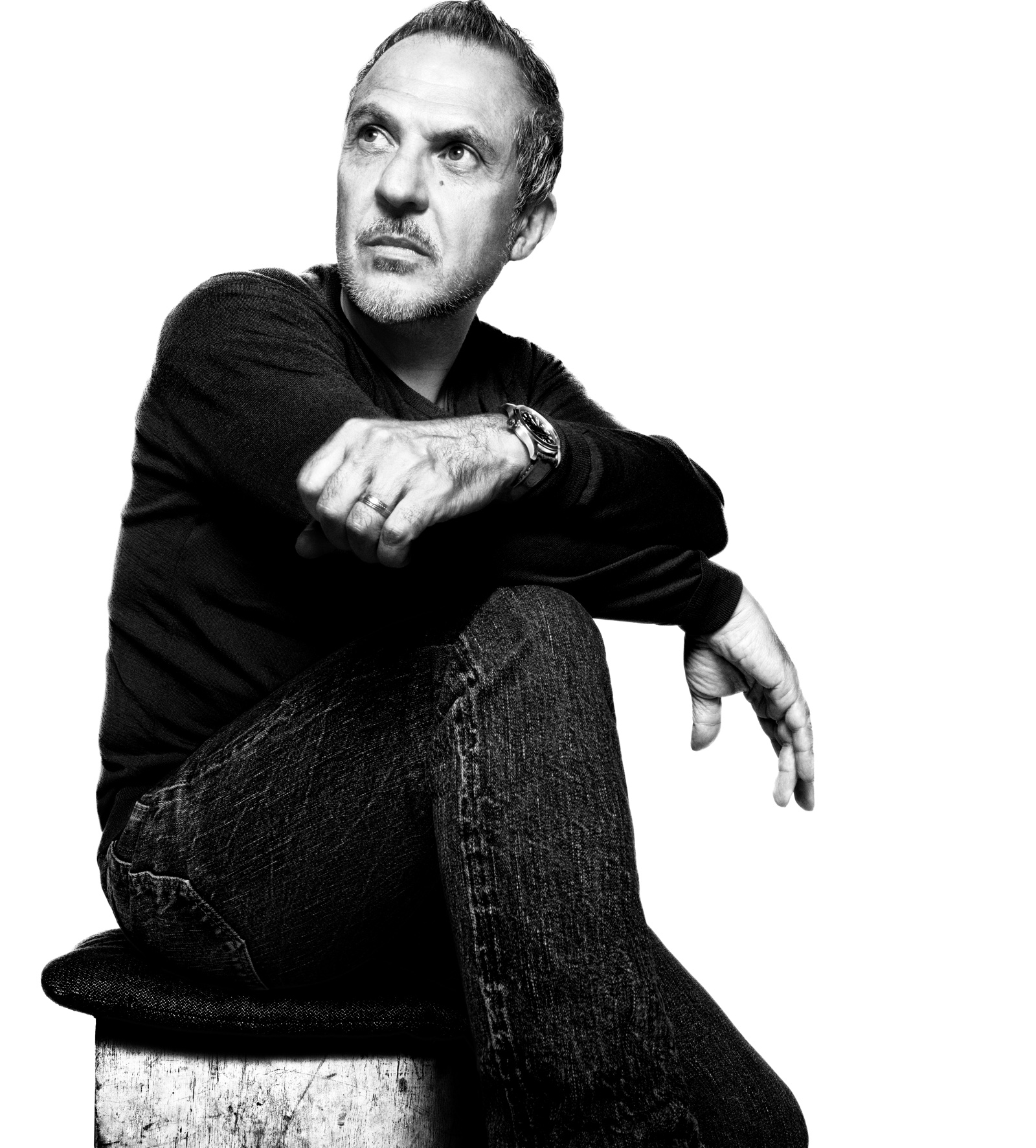
Platon
Platon photographs power. His portraits explore leadership, dignity, and the person behind a public identity, from presidents and world leaders to civil rights activists, refugees, members of the military, and survivors of war. He has photographed more world leaders than anyone else in history, including six American presidents, and has done more than 30 covers for TIME. His 2008 portrait of Vladimir Putin won first prize at the World Press Photo Contest. As a staff photographer for The New Yorker, he won two National Magazine Awards for his photo essays.
Beyond his work with leaders and institutions, Platon has built a substantial body of work that gives visibility and voice to people confronting injustice. A collaboration with The New Yorker and Human Rights Watch, documenting Russia’s civil society, received a Peabody Award in 2011. In 2013, Platon founded The People’s Portfolio, a nonprofit that uses portraiture and storytelling to advance human rights and human dignity around the world.
His films include My Body Is Not a Weapon, featuring survivors of wartime sexual violence and Nobel Peace Prize laureate Dr. Denis Mukwege, and Portrait of a Stranger, made with the United Nations to honor the voices of refugees. His archive of prominent African American civil rights and cultural leaders was acquired by the Smithsonian in 2020.
Platon has published six books, most recently Platon Paros, drawn from 40 years of photographing the Greek island and exploring authentic human connection in the age of AI. His life’s work is a subject of the Netflix series Abstract: The Art of Design.
That work has made Platon a sought-after voice on leadership itself. Among the top speakers at Washington Speakers Bureau, he delivers keynotes and leads sessions for boards, executive teams, and global forums on power and responsibility, on leading with compassion, and on speaking for people who have no platform of their own. Four decades of sitting across from presidents, dissidents, and human rights defenders have given him a working understanding of how leaders earn trust and how they lose it.